
Nutrition Tips For Seniors

The Effects of Aging on Appetite: As we age, we may find that we may not taste foods as well as we used to. Here’s why: 

  • Our taste buds decrease in number. The remaining taste buds also begin to atrophy (lose mass). If taste sensation is lost, usually salty and sweet tastes go first. Bitter and sour tastes may last slightly longer.
  • Our mouths produce less saliva as we age. A dry mouth can make swallowing more difficult. It also makes digestion less efficient and can increase dental problems.
  • Our sense of smell may decrease. 
  • Changes in smell and taste may be related to diseases, smoking and environmental exposures over a lifetime. 
  • Other factors contributing to the loss of taste and smell include nasal and sinus problems, such as allergies, sinusitis or nasal polyps, certain medications, including beta-blockers and angiotensin-converting enzyme (ACE) inhibitors, tooth decay or poor dental hygiene, cigarette smoking, head or facial injury, Alzheimer’s disease, and Parkinson’s disease. If you experience either or both of these changes, consult your doctor, as some causes of impaired taste and smell are treatable.

A decrease in taste and smell can lessen our interest and enjoyment in eating, often leading to decreased appetite and poor nutrition.

What Can You Do For Yourself?

Stay Hydrated: As our mouths get drier, it is even more essential to drink enough fluids to avoid dehydration. Fluids help to: move nutrients and waste through our bodies, keep blood pressure normal, protect and cushion joints and organs, control body temperature and lower the risk of dehydration and heatstroke.

Signs of dehydration are thirst, dry lips and mouth, flushed skin, headache, dizziness and fainting, dark yellow, strong-smelling urine, low blood pressure and increased heart rate.

To meet your fluid needs:

  1. Be aware of your thirst and drink fluids often throughout the day.
  2. Choose water over soft drinks and caffeinated beverages (limited to 3 cups per day).
  3. Drink water with meals and snacks.


Dehydration can lead to dizziness, fainting and low blood pressure, putting seniors at risk for falls. It can also worsen constipation.

Include Fibre in Your Diet:  A healthy diet high in fluids and fibre, along with regular exercise, can help maintain normal bowel habits. Fibre helps to prevent constipation by adding bulk and absorbing water, thus softening the stool. A high fibre diet may also prevent and treat various diseases and conditions, such as heart disease, colon cancer and diabetes. Using the Canada Food Guide can help you choose foods higher in fibre. Remember that small changes can make a big difference in your fibre intake.

The Health Benefits of Breakfast: People can find many excuses to skip their morning meal, but the fact is that our bodies need breakfast! When you skip breakfast:

  • Your brain is starved for energy so you might experience “mental fog.”
  • Your muscles stay asleep even though you have a full day of activity ahead. 
  • You lack the nutrients needed to help you through the day.
  • You slow down your metabolism.
  • You experience cravings for unhealthy snacks.


While you sleep, your body is fasting, but it is also working to rebuild tissue and store energy in your muscles for the next day. By feeding your body when you wake, you will have more energy and be more alert. You will concentrate, solve problems, handle stressful moments and get the physical activity you need to stay fit.

By eating breakfast, your body is more likely to get all the vitamins and minerals it needs for the day. Breakfast eaters typically consume less fat and cholesterol, which reduces heart disease risk. They also tend to have better weight control and not give in to bad-snack temptation. They also reduce their risk of developing insulin resistance, which can lead to diabetes.

Follow a Balanced Diet: A healthy balanced diet should include varying amounts of the following: Lean protein, low-fat dairy, whole grains, and fruits and/or vegetables.

See Canada’s Food Guide for Healthy Eating to help you choose the best food options for you.

(Are you ready for independent living? Here are five reasons why it’s time for you to do it!)

How Our On-Hand Specialists Can Help

At The Manor Village, our chefs prepare nutritious, wholesome meals while minimizing additives, refined sugars, processed flours and glutens. We offer a fruit starter before large meals as it helps aid digestion. 

We believe that good nutrition plays a key part in helping Preserve Your Independent LivingOur chefs will help to customize your meals if you have special dietary needs. It’s all part of the senior living experience at our retirement homes in Calgary

We Support Seniors & Their Families In All Retirement Homes

Unfortunately, not all retirement homes offer the same level of nutritional care and commitment to seniors as we do. 

That’s why we’re proud to support Nursing Home Abuse Justice.  

Their mission is to shine a light on the widespread abuse and neglect that occurs in nursing homes and assisted living facilities. They seek to educate seniors and their loved ones on the appropriate actions they can take to help protect themselves and the people they love. 

You can learn more about nursing home neglect with their resource here.  Feel free to speak to us if you have any more questions. 
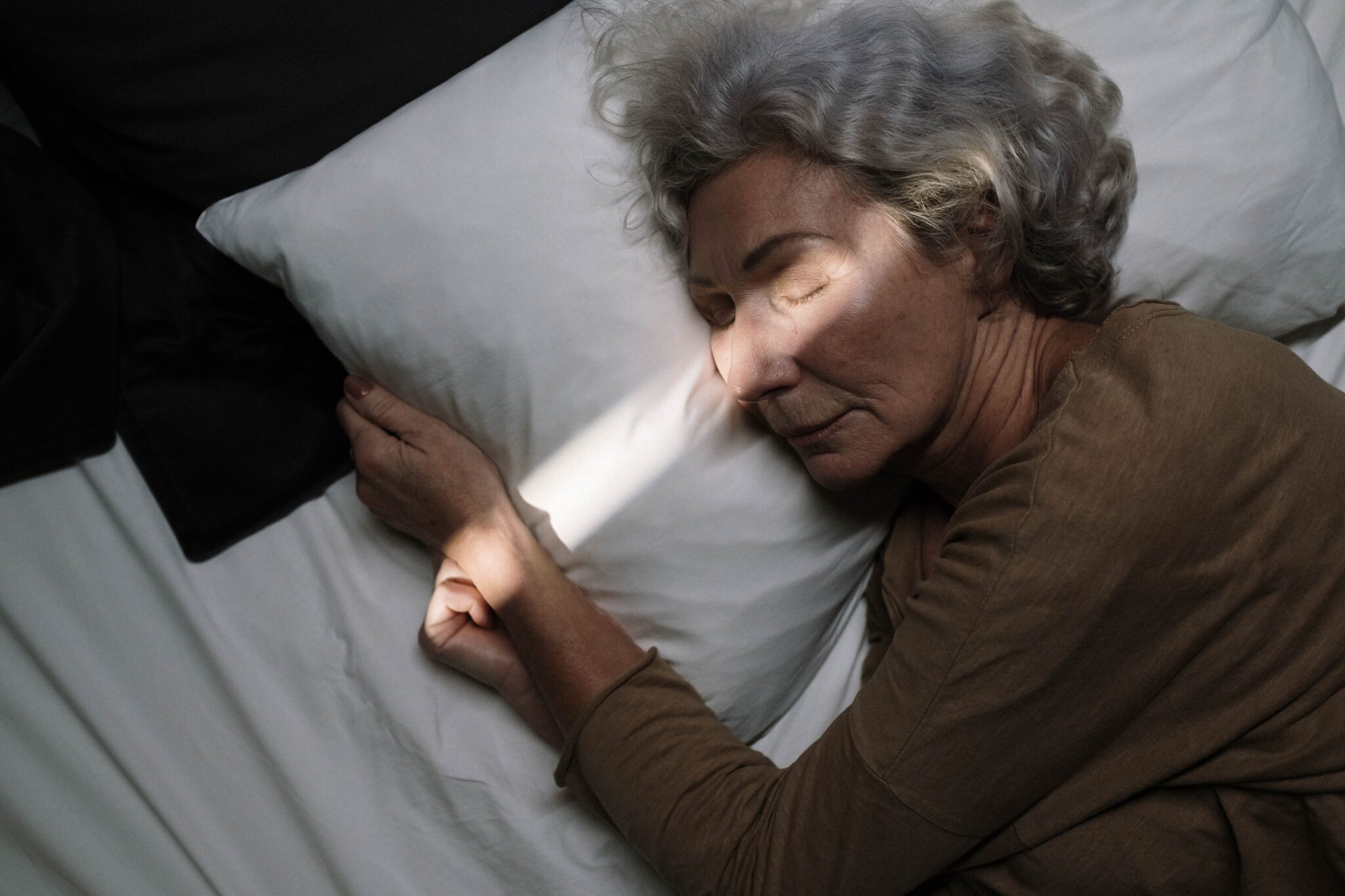
My Parents Struggle to Sleep. What are Some Natural Sleep Remedies for Elderly People?

How much sleep do older adults need?

While sleep requirements vary from person to person, most healthy adults require seven to nine hours of sleep per night. However, how you feel in the morning is more important than a specific number of hours.

Frequently waking up not feeling rested or feeling tired during the day are the best indications that you’re not getting enough sleep.

Here are some things you need to know about your sleeping habits:

Five Simple Tips For Seniors To Sleep Better 

Tip 1: Understand How Sleep Changes As You Age 

Your body produces lower growth hormone levels as you age, so you will likely experience a decrease in slow-wave or deep sleep (an especially refreshing part of the sleep cycle). 

When this happens, you produce less melatonin, meaning you will often experience more fragmented sleep and wake up more often during the night. That is why many of us consider ourselves “light sleepers” as we age. You may also:

  • Want to go to sleep earlier in the evening and wake up earlier in the morning.
  • Have to spend longer in bed at night to get the hours of sleep you need, or make up the shortfall by taking a nap during the day.

In most cases, such sleep changes are normal and don’t indicate a sleep problem.

Sleep problems are not related to age.

At any age, it’s common to experience occasional sleep problems. 

However, if you experience any of the following symptoms regularly, you may be dealing with a sleep disorder:

  • Have trouble falling asleep even though you feel tired.
  • Have trouble getting back to sleep when awakened.
  • Don’t feel refreshed after a night’s sleep.
  • Feel irritable or sleepy during the day.
  • Have difficulty staying awake when sitting still, watching television, or driving.
  • Have difficulty concentrating during the day.
  • Rely on sleeping pills or alcohol to fall asleep.
  • Have trouble controlling your emotions.

Tip 2: Identify underlying causes for your insomnia.

Underlying but very treatable causes cause many cases of insomnia or sleep difficulties. By identifying all possible causes, you can tailor treatment accordingly.

  • Are you under a lot of stress?
  • Are you depressed? Do you feel emotionally flat or hopeless?
  • Do you struggle with chronic anxiety or worry?
  • Have you recently gone through a traumatic experience?
  • Are you taking any medications that might be affecting your sleep?
  • Do you have any health problems that may interfere with sleep?


Common causes of insomnia and sleep problems in older adults:

Poor sleep habits and sleep environment. These include irregular sleep hours, consumption of alcohol before bedtime, and falling asleep with the TV on. Make sure your room is comfortable, dark and quiet, and your bedtime rituals conducive to sleep.

Pain or medical conditions. Health conditions such as a frequent need to urinate, pain, arthritis, asthma, diabetes, osteoporosis, nighttime heartburn, and Alzheimer’s disease can interfere with sleep. Talk to your doctor to address any medical issues.

Menopause and post-menopause. During menopause, many women find that hot flashes and night sweats can interrupt sleep. Even post-menopause, sleep problems can continue. Improving your daytime habits, especially diet and exercise, can help.

Medications. Older adults tend to take more medicines than younger people, and the combination of drugs and their side effects can impair sleep. Your doctor may be able to make changes to your medications to improve sleep.

Lack of exercise. If you are too sedentary, you may never feel sleepy or feel sleepy all the time. Regular aerobic exercise during the day can promote good sleep.

Stress. Significant life changes like moving into a retirement home, the death of a loved one, or moving from a family home can cause stress. Nothing improves your mood better than finding someone you can talk to face-to-face.

Lack of social engagement. Social activities, family, and work can keep your activity level up and prepare your body for a good night’s sleep. If you’re retired, try volunteering, joining a seniors’ group, or taking an adult education class.

Sleep disorders. Restless Legs Syndrome (RLS) and sleep-disordered breathing—such as snoring and sleep apnea—occur more frequently in older adults.

Lack of sunlight. Bright sunlight helps regulate melatonin and your sleep-wake cycles. Try to get at least two hours of sunlight a day. Keep shades open during the day or use a light therapy box.

Tip 3: How To Improve Your Sleeping Habits 

In many cases, you can improve your sleep by addressing emotional issues, improving your sleep environment, and choosing healthier daytime habits. Since everyone is different, it may take some experimentation to find the specific changes that work best to improve your sleep.

Naturally boost your melatonin levels. Artificial lights at night can suppress your body’s production of melatonin, the hormone that makes you sleepy. Use low-wattage bulbs where safe to do so, and turn off the TV and computer at least one hour before bed.

Don’t read from a backlit device at night (such as an iPad). If you like to read from a tablet or other electronic device, switch to an E-Reader that requires an additional light source.

Make sure your bedroom is quiet, dark, and cool, and your bed is comfortable. We often become more sensitive to noise as we age, and light and heat can also cause sleep problems. Using a sound machine, earplugs, or a sleep mask can help.

Use your bedroom only for sleep and sex. By not working, watching TV, or using your computer in bed, your brain will associate the bedroom with just sleep and sex.

Move bedroom clocks out of view. The light can disrupt your sleep, and anxiously watching the minutes tick by is a sure-fire recipe for insomnia.

Keep a regular bedtime routine for better sleep.

Maintain a consistent sleep schedule. Go to bed and wake up at the same times every day, even on weekends.

Block out snoring. If snoring is keeping you up, try earplugs, a white-noise machine, or separate bedrooms.

Go to bed earlier. Adjust your bedtime to match when you feel like going to bed, even if that’s earlier than it used to be.

Develop soothing bedtime rituals. Taking a bath, playing music, or practicing a relaxation technique such as progressive muscle relaxationmindfulness meditation, or deep breathing can help you wind down before bed.

Limit sleep aids and sleeping pills. Many sleep aids have side effects and are not meant for long-term use. Sleeping pills don’t address the causes of insomnia. 

How to nap. If you don’t feel fully alert during the day, a nap may provide the energy you need to perform fully for the rest of the day. Experiment to see if it helps you.

Some tips for napping:

  • Keep it short. Naps as short as five minutes can improve alertness and certain memory processes. Most people benefit from limiting naps to 15-45 minutes. You may feel groggy and unable to concentrate after a longer nap.
  • Nap early. Nap early in the afternoon. Napping too late in the day may disrupt your nighttime sleep.
  • Be comfortable. Try to nap in a comfortable environment preferably with limited light and noise.
"Exercise—especially aerobic activity—releases chemicals in your body that promote more restful sleep."

Tip 4: Use Diet & Exercise To Improve Sleep 

Two of the daytime habits that most affect sleep are diet and exercise. As well as eating a sleep-friendly diet during the day, it’s particularly important to watch what you put in your body in the hours before bedtime.

Limit caffeine late in the day. Avoid coffee, tea, soda, and chocolate late in the day.

Avoid alcohol before bedtime. It might seem that alcohol makes you sleepy, but it will actually disrupt your sleep.

Satisfy your hunger prior to bed. Have a light snack such as low-sugar cereal, yogurt, or warm milk.

Cut down on sugary foods. Eating a diet high in sugar and refined carbs such as white bread, white rice, pasta, and French fries can cause wakefulness at night and pull you out of the deep, restorative stages of sleep.

Avoid big meals or spicy foods just before bedtime. Large or spicy meals may lead to indigestion or discomfort. Try to eat a modest-size dinner at least 3 hours before bedtime.

Minimize liquid intake before sleep. Limit what you drink within the hour and a half before bedtime to limit how often you wake up to use the bathroom at night.

Exercise—especially aerobic activity—releases chemicals in your body that promote more restful sleep. Even if you have mobility issues, there are countless activities you can do to prepare yourself for a good night’s sleep. But always consult your doctor before embarking on any new fitness program.

Try:

Swimming/water exercises. Swimming laps is a gentle way to build up fitness and is great for sore joints or weak muscles. Many community and YMCA pools have swim programs just for older adults and water-based exercise classes.

Dancing. If you love to move to music, go dancing or take a dance class. Dance classes are also a great way to extend your social network.

Lawn bowling, bocce. These ball games are gentle ways to exercise. The more you walk and the brisker the pace, the more aerobic benefit you’ll experience.

Golfing. Golf is another exercise that doesn’t require vigorous movement. Walking adds an aerobic bonus, and spending time on the course with friends can improve your mood.

Cycling or running. If you are in good shape, you can run and cycle until late in life. Both can be done outdoors or on a stationary bike or treadmill.

Aerobic exercise helps seniors sleep better.

A study at Northwestern University found that aerobic exercise resulted in the most dramatic improvement in quality of sleep, including sleep duration, for middle-aged and older adults with a diagnosis of insomnia.

  • The participants exercised for two 20-minute sessions or one 30-to-40-minute session four times per week.
  • They worked at 75 percent of their maximum heart rate on at least two activities including walking or using a stationary bicycle or treadmill.
  • Their sleep quality improved from a diagnosis of poor sleeper to good sleeper.
  • They reported fewer depressive symptoms, more vitality, and less daytime sleepiness.

Source: National Sleep Foundation

Tip 5: Reduce Mental Stress 

Stress and anxiety built up during the day can also interfere with sleep at night. It’s important to learn how to let go of thoughts and worries when it’s time to sleep.

  • Keep a journal to record worries before you retire.
  • On your to-do list, check off tasks completed, list your goals for tomorrow, and then let them go.
  • Listen to calming music.
  • Read a book that makes you feel relaxed.
  • Get a massage from a friend or partner.
  • Use a relaxation technique to prepare your body for sleep.
  • Seek opportunities during the day to talk face to face with a friend about what’s troubling you.


As you get older, it’s normal to wake up more often during the night. However, if you’re 
having trouble falling back asleep, the following tips may help:

Do not stress. Stressing over the fact that you can’t get back to sleep only encourages your body to stay awake. Try to stay out of your head and focus on the feelings and sensations in your body instead.

Make relaxation your goal, not sleep. Try a relaxation technique such as deep breathing or meditation, without getting out of bed. Although not a replacement for sleep, relaxation can still help rejuvenate your body.

Do a quiet, non-stimulating activity. If you’ve been awake for more than 20 minutes, get out of bed and do a non-stimulating activity, such as reading a book. But keep the lights dim and avoid screens.

Postpone worrying. If you wake during the night feeling anxious about something, make a brief note of it on paper and postpone worrying about it until the next day when it will be easier to resolve.

When To Talk To Your Doctor About Sleep Problems

If your own attempts to solve your sleep problems are unsuccessful, keep a sleep diary and take it to your doctor. Write down when you use alcohol, caffeine, and nicotine, and keep track of your medications, exercise, lifestyle changes, and recent stresses. Your doctor may then refer you to a sleep specialist or cognitive behavioural therapist for further treatment, especially if insomnia takes a heavy toll on your mood and health.

Therapy vs. sleeping pills for insomnia in seniors. While sleeping pills and sleep aids can be effective when used sparingly for short-term situations, such as recovery from a medical procedure, they won’t cure your insomnia. In fact, they can make insomnia worse in the long term.

What Services Are Included in Assisted Living?

Assisted living communities offer a variety of services and amenities to their residents. These services can include help with activities planning, mobility coaching, medication management, transportation, social activities, and more. But no two retirement homes are exactly the same; it’s important to understand what services are included in your assisted living community of choice so that you can be sure you’re getting the care you need. As we come to the end of March, and our calendar’s Exploring Month, let’s look at how you can keep exploring through assisted living.

The best retirement homes offering supportive living in Calgary will usually have a list of services designed to make life more comfortable, despite Calgary’s wild weather swings. Assisted living means that everyone’s differing levels of need are taken care of, and that independence is still encouraged and celebrated. Residents should receive the best possible care. Here are some of the most common services offered in assisted living communities:

Personalized Assistance & Care Including Daily Activities

One of the most common services offered in assisted living communities is help with our own Personalized Assistance & Care Including Daily Activities package (PACDA). This living arrangement can include around the clock support for things like getting dressed, bathing, grooming, and more. In particular, PACDA includes:     

  • Bathing
  • Grooming
  • Dressing
  • Medications (If Required)

Around the core personalized assistance model, you can also get further benefits that make a complete supportive living lifestyle. The Manor Village Life Centres can offer the following benefits under the assisted living lifestyle:

  • Emergency call and response system 24 hours/day with a wide range of in-house health care professionals
  • Nutritional meal planning including three square meals/day
  • Elegant common rooms for socializing
  • Routine linen and housekeeping services
  • Programs to avoid memory loss
  • A busy calendar of activities and entertainment
  • Personalized wellness and exercise classes


If you need help with any of these activities, an assisted living community can be a great option. The staff will be available to help you with everything you need, so you can focus on enjoying your life.

Medication Management

Another common service offered in assisted living communities is medication management. It’s always optional, but if you ever need help with it, we can take that burden off you. This option includes receiving your medications on time, taking them as prescribed, and any follow-up care that may be needed. The staff helping the assisted living community will be able to help you with all of your medication needs, so you can feel confident that you’re taking your medications correctly.

Transportation

One of the biggest benefits of living in an assisted living community is the transportation services that are often included. This can include transportation to and from appointments, shopping trips, social events, and more. This can be a great convenience for residents who no longer have access to a car or who don’t feel comfortable driving themselves.

Social Activities

Another great benefit of living in an assisted living community is the social activities that are often included. This can include things like group exercise classes, arts and crafts, social events, and more. When you’re living in an assisted living community, it’s easy to stay active and involved in your community. The staff will be able to help you find the right social activities for you, so you can make new friends and enjoy your time at the community.

Senior living communities like ours offer a variety of services, amenities, and lifestyles to their residents. And whether you take a journey from independent living to assisted, start in assisted, or only want to try certain lifestyles out before committing—there’s something for everyone. These services can include help with Personalized Assistance & Care Including Daily Activities, transportation, social activities, and more.

It’s important to understand what services are included in your assisted living community, and what’s available as your needs change so that you can be sure you’re getting the care you need. With supportive living Calgary, you can be sure that you’ll receive the help you need to live a full and independent life.

It’s important to understand what services are included in your assisted living community, and what’s available as your needs change so that you can be sure you’re getting the care you need. With supportive living Calgary, you can be sure that you’ll receive the help you need to live a full and independent life.

Should I Encourage My Parents to be Mobile & Active?

As parents get older, they tend to slow down in most things. Of course, this isn’t always the case. Some parents remain mobile and active well into their golden years. But for many, as they age, they begin to experience a decline in their physical abilities. Seeing it firsthand can be difficult for their family, especially their adult children.

After all, we want our parents to be happy and healthy, and it’s hard to see them struggling. But what can we do? March is Exploring Month on our calendar, so let’s look at how to make it comfortable. 

At The Manor Village Life Centres, there are many options to keep your parents active, and in case their mobility could be better, there are also on-hand mobility specialists at your parents’ disposal to help rehabilitate troublesome joints or muscles. From where we’re standing, mobility issues are something to work through, not an excuse to rely on; we’re focused on reminding our residents that staying active is not only possible, but it can even be comfortable.

Increased Mobility & Independence

One of the best things about being mobile and active is that it helps us stay independent. As we age, it’s vital to maintain our independence as much as possible. By being mobile and active, we can do just that. Staying mobile and active helps us maintain an independent standard of living in our golden years. No matter where you go, retirement homes with independent living in Calgary encourage seniors to be as mobile and active as possible. Having specialists on-hand ensures your parents keep creaky joints at bay, before they become a problem.

Improved Mental Health

Moving around and getting active is great for our mental health, too. When we’re active, we feel good mentally and emotionally. We’re happier and more positive, and we have a better outlook on life. This is definitely something to strive for as we age. By being active, we can improve our mental health and make life a little bit brighter.

Stronger Bones & Muscles

As we age, it’s important to keep our bones and muscles strong. This helps us stay mobile and independent, and it also helps reduce the risk of falls and injuries. Bones and muscles that are strong and healthy are less likely to break or strain. So, by being mobile and active, exploring our surroundings, we’re actually doing something good for our bodies. As the saying goes, “use it or lose it!” 

Socialization

One of the best things about being active is that it helps us socialize. When we’re out and about, we meet new people and make new friends. This is a great way to stay connected and engaged in the world. It’s also a great way to stay healthy and active socially. In their old age, your parents would love to continue doing things they love and meet new friends, which anyone can accomplish through independent living.

Increased Life Expectancy

One of the best things about being mobile and active is that it helps your parents live longer. Studies have shown that those who are active and mobile tend to live longer than those who are not. This is definitely something to keep in mind as we age. By being active and mobile, we can extend our lifespan and enjoy life a little bit longer.

Repeatedly encouraging our parents to be mobile and active is well worth the effort. There are many benefits to being mobile and active, and these are just a few of them. Independent living in Calgary encourages seniors to be as mobile and active as possible and galvanizing your parents could be the last nudge they need to prioritize healthy movement. By being active, we can improve our mental health, strengthen our bones and muscles, socialize, and increase our life expectancy. Keep moving, and rest assured that we keep evolving our mobility programs to optimize mobility.

Moving Hearts & Moving House – Assisted & Independent Living

Things tend to be up in the air when you’re moving house, and you might not get to take everything you want. Our About Us section mentions a guiding principle, commitment from the heart.

When we show commitment from the heart, we really mean it. It’s not just something we put in our staff orientations and forget about. It’s all part of why our staff has chosen a path in Calgary’s senior living careers. Whether you’re in assisted or independent living at one of the Manor Village’s locations, moving house is a lot of work and requires a senior living staff eager to help.

When Should My Parents Move from Independent to Assisted Living? 

One thing we should always keep in mind for any community members is this: moving can be a tumultuous experience, and when we get older, the pressures of moving get worse rather than better. Not having everything the way it was in the new place is one of those things that can make it all just a little bit worse.

You might also have to choose some of your personal belongings to give up in the move. We do this all the time as younger and middle-aged adults. But it gets harder to let things go when you no longer need them absolutely. A move should ideally be exciting and comforting, and if we can minimize any sense of loss for the resident, we try to do that.

Visit our “Independent Living” Page for more ideas on what you can expect with independent living. Moving from independent living, where you live with minimal support, to assisted living, where you come to rely on help with everyday chores, is a big step, but it’s one we can talk you through.

Whether you’re moving from independent living to assisted living or simply moving from one floor to the next, the stresses of doing so remain the same. When a resident has to move, we look out for them and try to help.

Showing Heart & Generosity with Pat’s Move

Our latest spotlight includes a letter about a resident’s move, demonstrating our staff’s sense of commitment from the heart at The Manor Village – Staywell, in southwest Calgary. They really went above and beyond their duties in helping one of our residents, Pat. Pat needed a move from a unit on the 4th floor down to the 1st, and the help she received came with unexpected gifts.

Ian Writes:

“Margie & Mike,

I thank you both for your invaluable help in moving Pat from the fourth floor to the first floor and for your gifts of the maple bookcase, which I can see on the immediate left in this living room photo attached, … and the jig-saw puzzle table and chairs, all of which Pat will much appreciate. 

You both did a spectacular job of setting up her apartment.”

Like we said, when you’re moving you might have to give up a preferred space, furniture, or belongings that make your place seem like home. But if you get something else you weren’t expecting, the move can be that much smoother and more fulfilling.

Ian C. let us know how our staff went above and beyond:

“[I’m] also sending a copy of this e-mail to The Staywell Executive Director, and the Staywell Wellness Director, who with you, planned and executed this necessary move…”

On behalf of all the executives and other key stakeholders here at The Manor Village, we thank you both for your generosity, kindness, and magnanimity. And for showing our residents that the place you work is a community, not just a place to live. Ian C. continues:

“[I]…would ask that they let Staywell’s Wellness Coordinator Fahreen, Jane, Myra and all her other Staff members, whose names I should have remembered, know how much I appreciate all that they have done, in this difficult Covid 19 period, for Pat.

Many thanks again and best wishes,

Ian C.”